Barriers to Authentic Youth Adult Partnerships
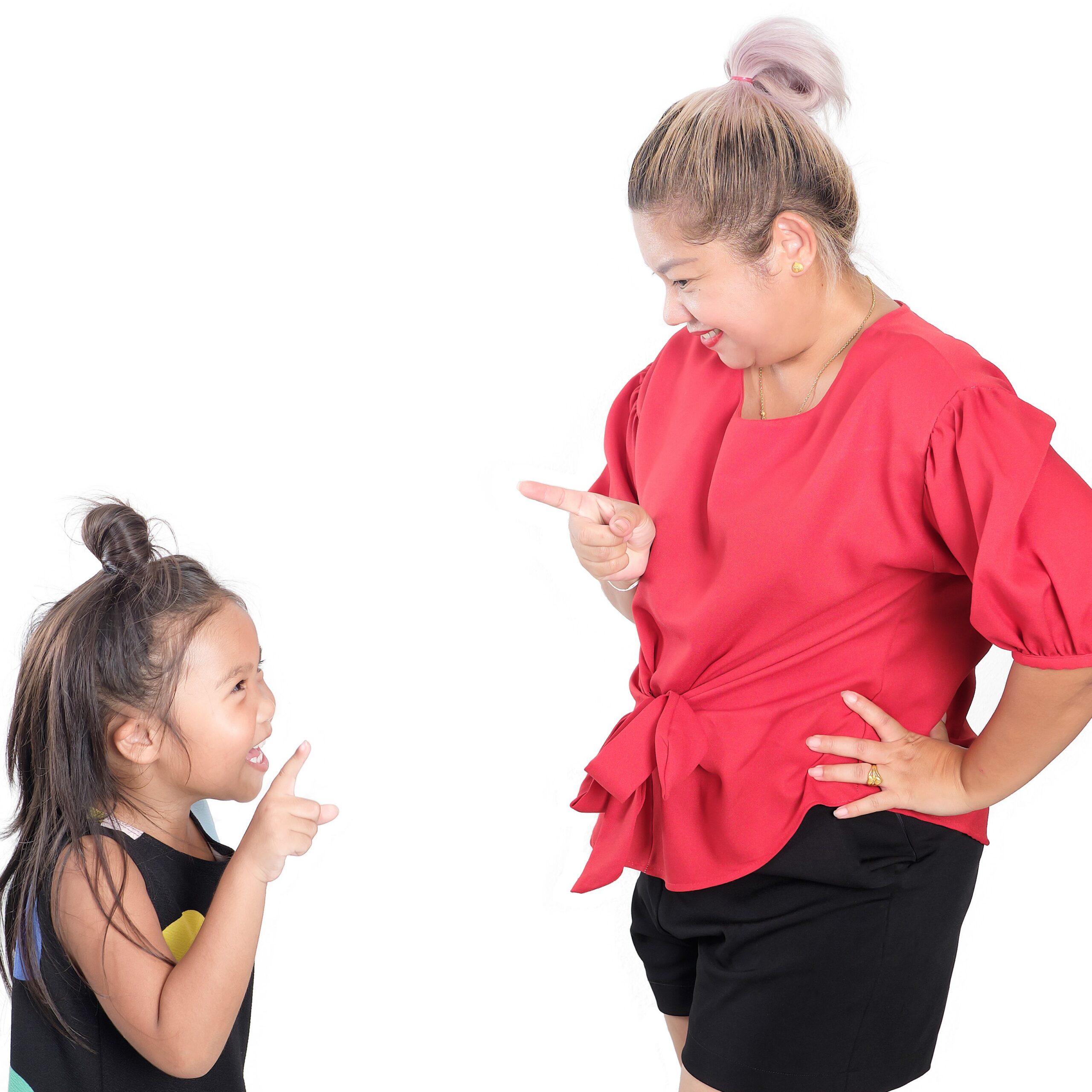
Even with the best intentions, adults and schools often face challenges that hinder authentic partnerships. These barriers are more structural than personal and require work from both parties to overcome them.

Power Imbalances
Adults hold most of the decision-making power. Adults may unintentionally dominate decisions or have a hard time sharing control.

Tokenism
Youth are invited, have a seat at the table, but not meaningful involved in decisions.

Communication Gaps
People don’t check-in, clarify, no follow through. Lack of authentic dialogue. Adults speak “at” youth instead of “with” them.

Assumptions
Adults may think youth are inexperienced; youth may think adults won’t listen.

Fear of Conflict
Hard conversations are avoided instead of worked through. There is no space where authentic conversations and feedback can be had.
Even the most well-intentioned adults may unintentionally maintain practices that limit student voice, reinforce power imbalances, or create environments where youth feel unheard. Unless we name and actively address these barriers, attempts at partnership may become performative rather than transformative.
Reflection
After reviewing common barriers, what barriers do you personally contribute to most often? Why?
Reflection
What structure could I build that would make youth voice routine, not optional?
Zeldin, Shepherd, et al. “The Psychology and Practice of Youth-Adult Partnership: Bridging Generations for Youth Development and Community Change.” American Journal of Community Psychology, vol. 51, no. 3-4, 6 Oct. 2012, pp. 385–397, https://doi.org/10.1007/s10464-012-9558-y.